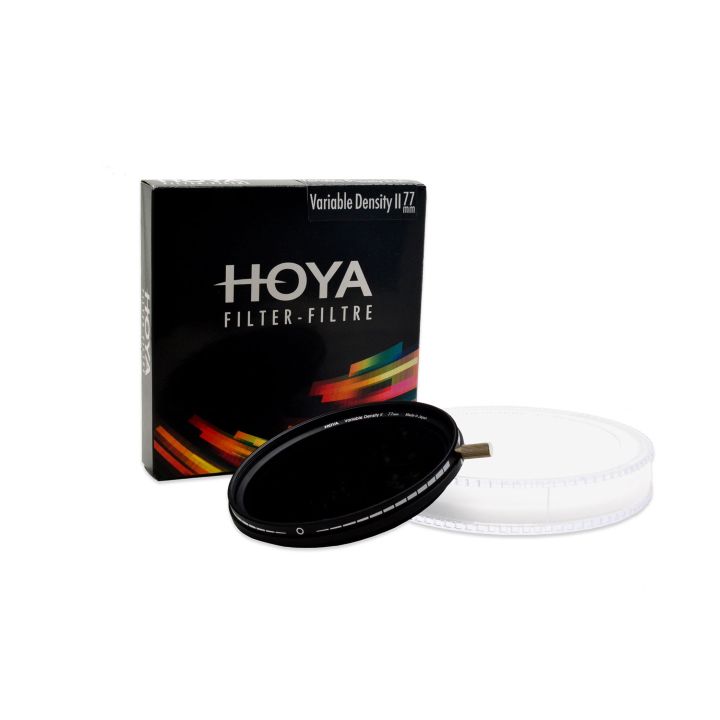
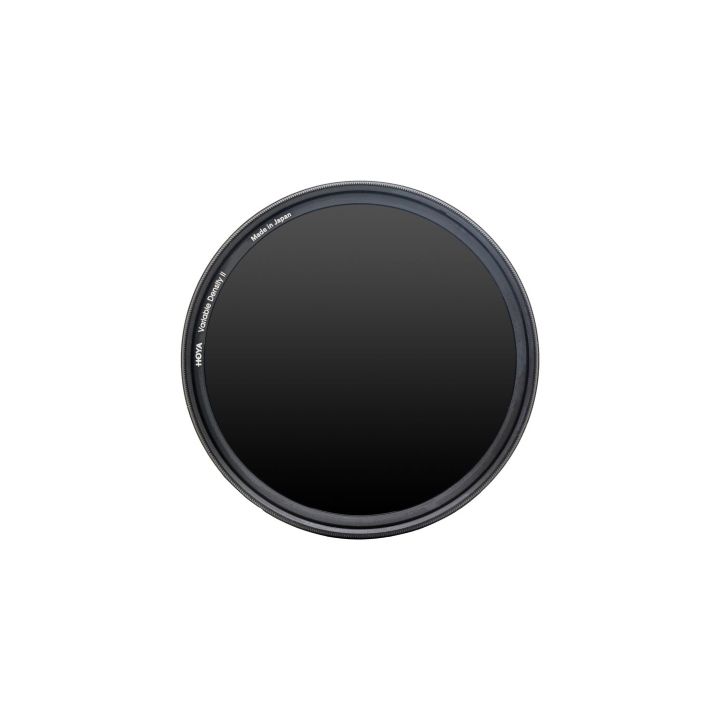
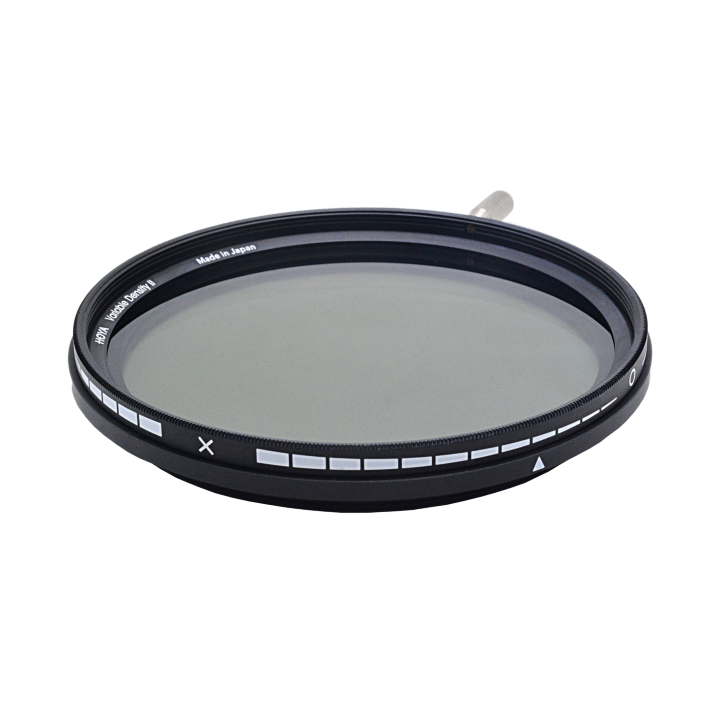
Variable density filters are widely used because they can replace a set of solid ND filters by providing a range density that can be adjusted according to the desired exposure settings.
In still shooting, variable density filters lower the shutter speed according to the photographer’s intentions when the shutter speed cannot be lowed due to camera limits.
Variable density filters can also increase the amount of boke when shooting in the over-lit conditions, thus, preventing the image from overexposure.
In video shooting, it is fundamental to keep the shutter speed fitting the frame rate setting. That is, to keep it equal to double the frame rate for optimal results. This is because, unlike still photography, an excessively fast shutter speed may create a jarring effect and produce afterimages that will not look good in the final video.
As you can see from the image below, unlike still image, a video clip is made of a sequence of still images. With low shutter speed, each still image will blur but will look smooth in the video sequence. On the contrary, a higher shutter speed will capture the object solid and sharp, but once in a video sequence all objects will appear separated, creating jarring and unnatural looking motion.

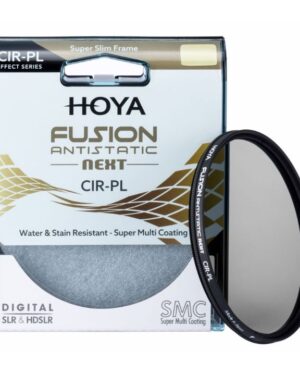 Hoya 58mm Fusion Antistatic Next Circular-Polariser Filter
1 × $112.00
Hoya 58mm Fusion Antistatic Next Circular-Polariser Filter
1 × $112.00 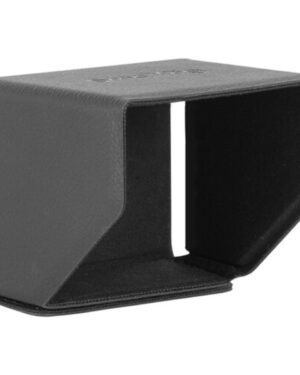 SmallRig 3206 Sunhood for Sony Alpha 7S III/Alpha 7C/ZV-1/FX3 Camera
1 × $21.90
SmallRig 3206 Sunhood for Sony Alpha 7S III/Alpha 7C/ZV-1/FX3 Camera
1 × $21.90 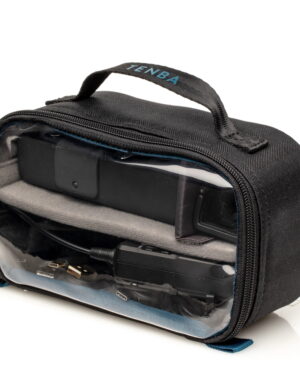 Tenba Tools Tool Box 4 Black
1 × $36.00
Tenba Tools Tool Box 4 Black
1 × $36.00 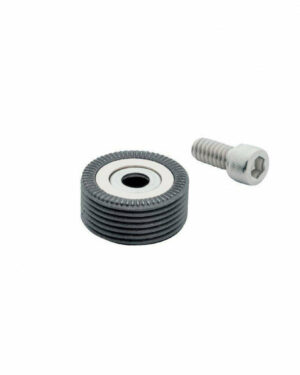 9.Solutions 1/4-20 Thread-on Quick Mount Receiver
1 × $15.68
9.Solutions 1/4-20 Thread-on Quick Mount Receiver
1 × $15.68 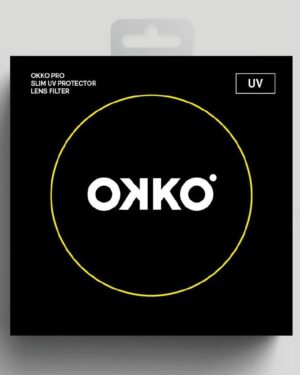 Okko Pro / Slim UV Protector Lens Filter 49mm
1 × $58.00
Okko Pro / Slim UV Protector Lens Filter 49mm
1 × $58.00